EXPLORING ESSENTIALS
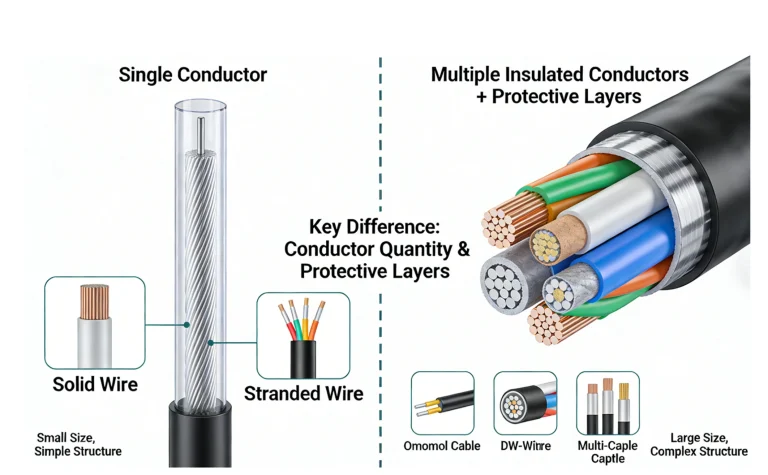
The fundamental components of high-temperature insulated wires typically include the conductor, insulation, protective braid, jacketing, and shielding. It’s important to note that not every cable construction requires all these elements. Simpler designs may only need a conductor and insulation layer. However, when facing demanding high-temperature service conditions, a more comprehensive and robust construction is often necessary. Each of these elements warrants careful consideration during the design phase.
Conductor
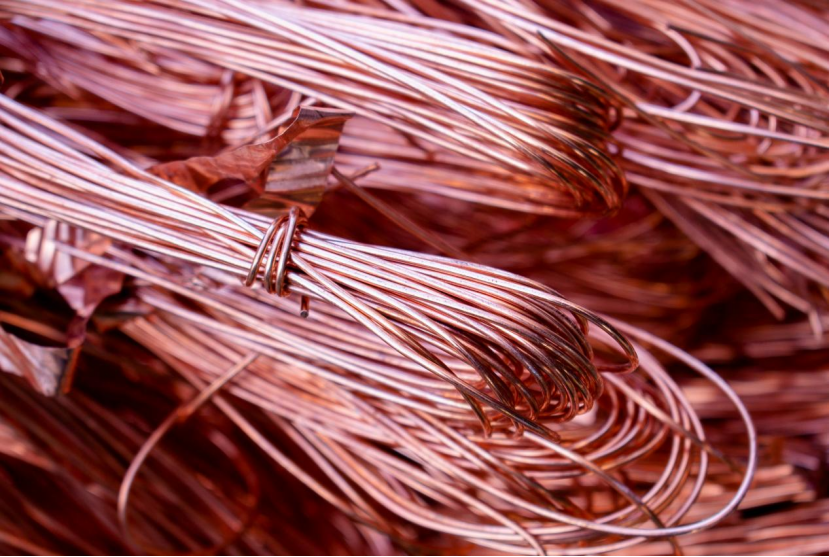
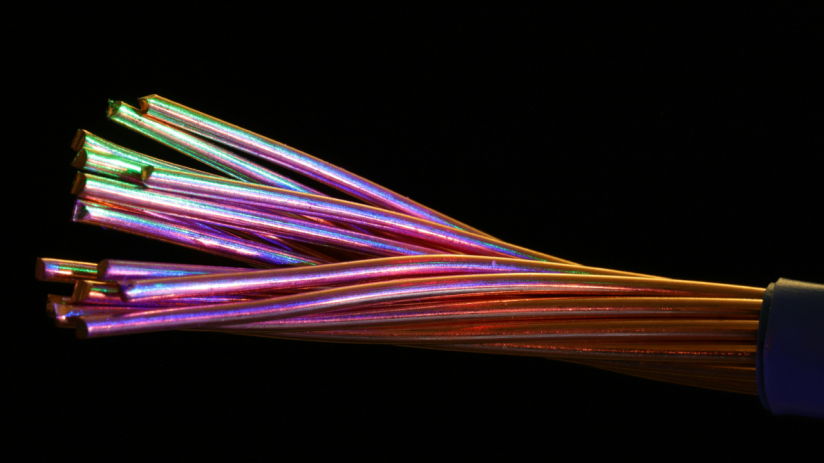
Key factors in selecting the appropriate conductor include the type of conductor material, the diameter (gauge) of the conductor, and its stranding configuration. The anticipated continuous operating temperature is a primary concern, as different conductor materials possess varying degrees of inherent heat resistance. Subsequently, the conductor’s ampacity—its ability to carry electrical current without exceeding the thermal limits of both itself and the surrounding insulation—must be evaluated. For detailed ampacity ratings and guidelines, please consult authoritative reference tables such as those provided by the National Electrical Manufacturers Association (NEMA) or the National Electrical Code (NEC).
| Conductor Type | Maximum Continuous Operating Temperature, °C |
| Nickel | 550 |
| Nickel-Clad Copper (27% Ni) | 550 |
| Solid Nickel | 450 |
| Nickel-Plated Copper (2% coating) | 250 |
| Nickel-Plated Iron | 250 |
| Silver-Plated Copper | 200 |
| Bare Copper | 200 |
| Tinned Copper | 150 |
| Aluminum (1350) | 150 |
Insulation/Jacket
The primary insulation is the core component responsible for safely containing and directing electrical voltage. Materials selected for this critical role — including engineered thermoplastics, high-performance synthetic rubbers, and inorganic options like mica — must offer superior dielectric properties coupled with reliable heat resistance.
In demanding applications, it is often prudent to evaluate whether secondary insulation or a dedicated protective jacket is required. This outer layer serves as a mechanical shield, guarding the primary insulation against potential damage from abrasion, cuts, impacts, chemical exposure, or environmental stressors. Since the primary insulation is primarily selected for its electrical performance (dielectric strength, capacitance, etc.), the design process frequently involves a strategic balance between achieving optimal electrical properties and ensuring sufficient mechanical and environmental durability.
At yuqing, our extensive portfolio of advanced insulation and jacketing materials is engineered to meet the most diverse and demanding application requirements. We provide expert guidance in selecting the optimal material system, from primary insulation to protective overjackets, ensuring a balanced solution for performance, longevity, and reliability.
| Insulation Types | Temperature Range | Chemical Resistance | Flexibility | Mechanical Toughness | Suited For |
| PTFE (Teflon庐) | -200°C to +260°C | Outstanding (universally inert) | Good (excellent flex life) | Excellent (low friction) | High-frequency, aerospace, extreme heat/chem applications |
| ETFE | -100°C to +150°C | Very Good | Excellent | Very Good (high cut-through resistance) | Industrial, automation, robotics, coil winding |
| FEP | -200°C to +200°C | Outstanding (similar to PTFE) | Good (slightly stiffer than PTFE) | Fair | Chemical processing, lab equipment |
| PFA | -200°C to +260°C | Outstanding | Good | Excellent (retains flexibility at high temp) | Semiconductor, high-purity fluid handling |
| Mica / Glass Braid | Up to +600°C | Fair (depends on impregnation) | Poor (brittle) | Excellent (crush/abrasion resistant) | Furnace wiring, heaters, high-temperature industrial |
| Silicone Rubber | -60°C to +200°C | Good (varies by grade) | Outstanding | Fair to Good (tear resistance varies) | Appliances, lighting, flexible high-temp leads |
| XLPE (Cross-linked Polyethylene) | -40°C to +125°C | Very Good | Good | Good (tough) | Medium voltage power, building wire, renewables |
| Neoprene (CR) | -30°C to +90°C | Good (especially oils) | Good | Excellent (highly abrasion resistant) | Mining, welding cable, heavy-duty industrial portable cords |
| EPR (Ethylene Propylene Rubber) | -50°C to +150°C | Very Good (especially steam/water) | Very Good | Good | Utility cables, shipboard, wet locations |
| PVDF (Kynar庐) | -40°C to +150°C | Excellent (strong acids/bases) | Fair (stiff) | Excellent (high abrasion/cut-through) | Chemical plant wiring, nuclear, flame-retardant apps |
| Polyimide (Kapton庐) | -269°C to +400°C | Excellent (organic solvents) | Fair (thin films flexible) | Poor (punctures easily) | Aerospace, military, high-density electronics (magnet wire) |
| Ceramic Fiber | Up to +1200°C | Excellent (inert) | Poor (rigid) | Fair (fragile) | Extreme high-temperature sensors, kilns, specialized industrial |
Braiding
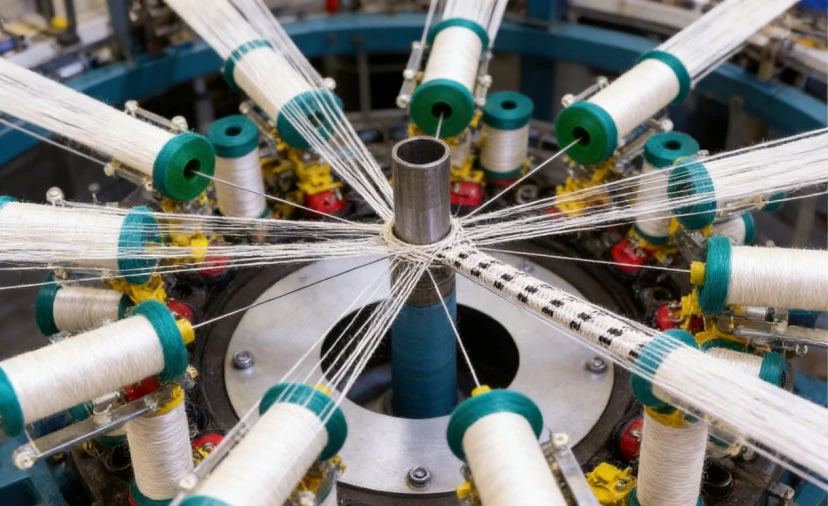
Fiber glass is widely used in braided outer covers for limited mechanical protection. Glass braid almost always is saturated with an appropriate high-temperature finish to prevent fraying or moisture penetration and to improve fiber bonding.
Shielding
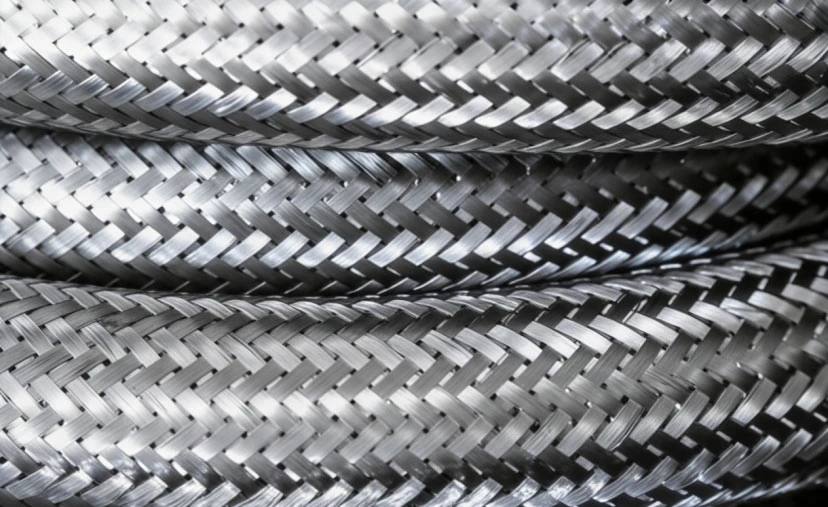
Metallic shielding is a critical component designed to protect cable insulation from external electromagnetic interference (EMI) and harsh physical conditions, while also containing internally generated electromagnetic emissions. It is commonly applied in forms such as corrugated or flat metallic tape, spiral-wrapped foil, or woven braid (e.g., tinned copper or aluminum). In power and control cables, shielding safeguards signal integrity and prevents electrical noise from disrupting sensitive equipment. In communication and data cables, it ensures reliable high-speed transmission by minimizing crosstalk and external signal intrusion. The selection of shielding type, coverage, and material is tailored to the specific electrical, mechanical, and environmental requirements of the application.
News
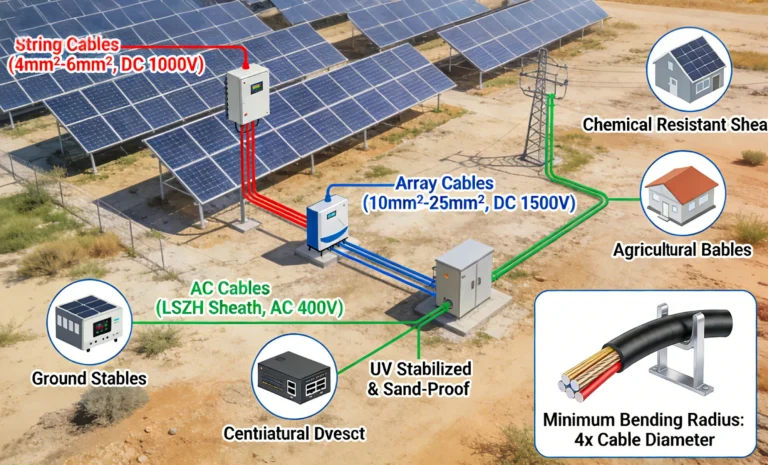
Solar Cables (Photovoltaic Cables): The Backbone of Reliable Solar Energy Systems